
Mastering the Visa Maze: How to Navigate the Student Visa Process with Confidence
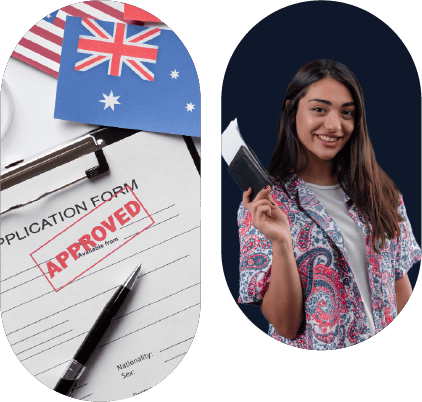
The decision to study abroad is an exciting chapter in any student’s life, brimming with opportunities for academic growth, cultural exchange, and personal development. However, before you can board that plane and immerse yourself in a new country, there’s a crucial step that often presents itself as a formidable challenge: securing a student visa. While the visa process can be complex and time-consuming, understanding the steps involved and preparing thoroughly will ensure that your journey begins smoothly. This guide will walk you through the visa application process for different countries and provide practical tips to help you avoid common pitfalls.
1. Understanding the Student Visa Process
The visa process varies widely across countries, each with its own set of rules, requirements, and timelines. At its core, applying for a student visa generally involves the following key steps:
- Offer of Admission: Before you can apply for a visa, you must have an offer of admission from a recognized educational institution in your destination country. Ensure that your school is on the approved list of the country’s immigration office, as this is a mandatory requirement for most student visas.
- Financial Proof: Many countries require students to demonstrate that they have sufficient funds to cover tuition fees and living expenses for the duration of their studies. Prepare financial documents such as bank statements, sponsorship letters, or scholarship confirmations to prove that you can support yourself.
- Medical Insurance: Some countries, such as Australia and Germany, require students to provide proof of medical insurance as part of the visa application process. Ensure you purchase adequate health insurance before submitting your application.
- Biometrics and Background Checks: Depending on the country, you may be asked to undergo a biometric assessment, including fingerprints and photographs, as well as provide police clearance certificates to confirm you have no criminal record.
2. Breaking Down Visa Procedures by Country
United States
The United States offers the F-1 student visa for full-time students. After receiving a formal offer from a U.S. institution, students are issued an I-20 form, which is required to apply for the visa. The application process involves:
- Completing the DS-160 form online.
- Paying the SEVIS (Student and Exchange Visitor Information System) fee.
- Scheduling and attending an interview at a U.S. embassy or consulate.
During the interview, you must demonstrate that you have strong ties to your home country and intend to return after your studies. The common pitfall here is inadequate documentation—ensure all your paperwork is meticulously prepared to avoid delays.
United Kingdom
For the UK, the Tier 4 (General) Student Visa is required for international students. The application process includes:
- Receiving a Confirmation of Acceptance for Studies (CAS) from your university.
- Completing an online visa application.
- Providing proof of funds sufficient to cover tuition and living costs for at least nine months.
- Undergoing a tuberculosis test if you are from a country where this is required.
A frequent issue students encounter is miscalculating the financial requirement. Double-check the current financial threshold set by UK Visas and Immigration (UKVI) to avoid potential rejection.
Canada
Canada offers the Study Permit, a comprehensive student visa that allows students to work part-time during their studies. The process includes:
- Receiving a letter of acceptance from a Designated Learning Institution (DLI).
- Opening a Guaranteed Investment Certificate (GIC) account with a desginated bank in Canada and transferring GIC amount, which is CAD 20,635 at present.
- Applying online and submitting proof of tuition fee payment, GIC and other necessary documents.
- Providing biometrics at VFS.
Ensure your GIC account is made timely as it may take some time or get stuck if not done carefully.
Australia
Australia’s Student Visa (Subclass 500) is granted to students enrolled in full-time courses at accredited Australian institutions. The key steps include:
- Enrolling and obtaining a Confirmation of Enrolment (CoE) from your institution.
- Demonstrating proficiency in English (through IELTS or TOEFL scores).
- Proving you have Overseas Student Health Cover (OSHC) for the duration of your stay.
- Completing the online visa application and submitting financial documents.
One common mistake is not meeting the English language requirement. Be sure to prepare adequately for any language tests and provide valid, up-to-date scores.
Germany
Germany offers a National Visa for students who plan to stay longer than 90 days. After receiving an offer from a German university, students must submit:
- A visa application form.
- Proof of financial resources, such as a blocked account (Sperrkonto), which shows you have enough funds to cover living costs.
- Proof of health insurance.
A common stumbling block is incorrectly setting up the blocked account. It is crucial to ensure the account meets the minimum amount set by German authorities.
3. Common Pitfalls and How to Avoid Them
- Late Applications: Visa processing times can vary greatly depending on the country, and delays are not uncommon. Start your visa application process as soon as you receive your offer of admission, allowing ample time for document preparation, interviews, and possible delays.
- Insufficient Documentation: A common reason for visa denials is incomplete or incorrect documentation. Double-check all requirements on the official embassy or immigration website of your destination country. Keep all necessary documents well-organized and easily accessible.
- Misrepresentation: Always provide honest and accurate information. Any discrepancies, even seemingly minor ones, can lead to visa rejection or future complications. Be transparent about your financial situation, academic background, and intentions.
- Overlooking Health Requirements: Some countries require specific vaccinations, medical tests, or health insurance coverage before you are granted a visa. Stay updated on health regulations and ensure compliance.
Securing a student visa may seem like a daunting process, but with the right preparation and understanding, it can be a smooth journey. Familiarize yourself with the specific requirements of your chosen country, avoid common pitfalls, and ensure all documentation is in order. Your adventure abroad begins with this crucial step, and by navigating the visa process confidently, you are well on your way to unlocking the vast opportunities that await.
At imeasy., we’re here to guide you through every step of your journey to study abroad. From selecting the right university and program to navigating visa applications and scholarships, our team is dedicated to making your overseas education dreams come true. Start your journey with us today!
Disclaimer: All information on this page is for e is for general use and imeasy. is not responsible for any errors or omissions. Any action taken based on the information found on this website is strictly at your own risk.